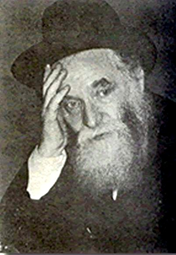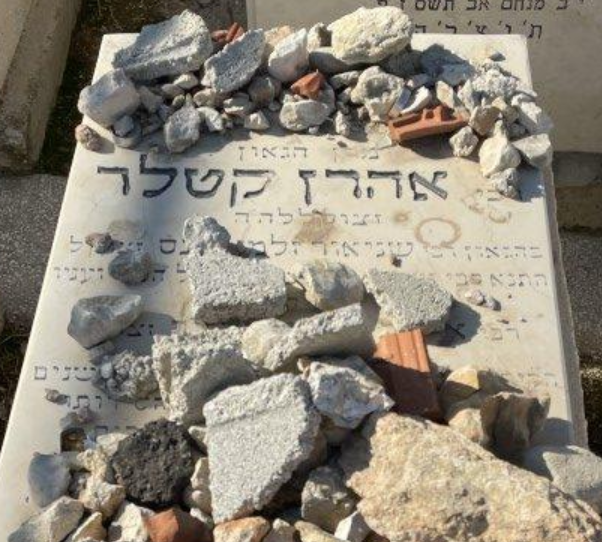
Rav Aharon Kotler zt"l

הרב אהרן בן שניאור זלמן קוטלר זצ"ל

Kislev 2 , 5723
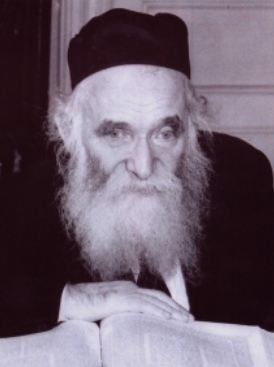
Known As: Rosh Yeshiva of Bais Medrash Govoha, Lakewood.
Father's Name: Shneur Zalman Pinnes
  • Rav Aharon Kotler
  • Rav Aharon Kotler


Rav Aharon Kotler zt"l

Rav Aharon Kotler was the Rosh Yeshiva of Bais Medrash Govoha, Lakewood. The son of Rav Shneur Zalman Pinnes, Rav Aharon was known as the “Shislovitzer Iluy”. At fourteen, he entered the Slobodka Yeshiva, where he learned under the Alter and Rav Moshe Mordechai Epstein. He also heard shiurim from Rav Boruch Ber, who had his own Yeshiva in one of the suburbs of Slobodka. He married the daughter of Rav Isser Zalman Meltzer, head of the Yeshiva Etz Chaim in Slutsk, and became his assistant in 1914. Even before he was twenty-five years old, he became one of its Roshei Yeshiva. After the Yeshiva’s forced transfer in 1921 to Kletsk, Poland, due to the Bolshevik takeover and religious persecution, Rav Isser Zalman immigrated to Eretz Yisrael, and Rav Kotler directed the Etz Chaim for twenty years.


Stories of Rav Aharon Kotler zt"l

Rav Shneur Kotler related that when his father, Rav Aharon Kotler, was hospitalized for medical treatment, Rav Aharon asked if anyone had mentioned his situation to ‘the Rebbe.’ “To which rebbe is the Rosh Hayeshiva referring?” asked one of his relatives. When I say ‘the Rebbe’ Rav Aharon retorted, I mean the Kopycznitzer Rebbe.” Rav Shneur added that his father sent every chassan in the yeshiva to the Rebbe for a bracha before the wedding. (By Yisroel Safrin .  As featured in The Monsey Mevaser 'Klal Personalities' series)

This seemingly too-incredible-to-be-true story actually took place. It was during World War II when twenty-four Rabbonim were being held in Italy and faced being returned to Nazi-occupied Europe and certain death.

Rav Aharon Kotler, founder and Rosh Yeshiva of the Lakewood Yeshiva, turned to the well-known askan and subsequent mechaber of Ethics From Sinai, Mr. Irving Bunim, and asked him who could intercede on behalf of these twenty-four Rabbonim. Mr. Irving Bunim suggested the Italian Mafia. Rav Kotler urged Mr. Bunim to contact them immediately.

After contacting them, he asked Rav Aharon, “Who are we sending to the meeting?”

Rav Aharon replied, “You and I are going.”

Off they went to meet the godfather of the Mafia, Joe Bonnano. Rav Aharon did not speak English, so it was Mr. Bunim who explained the problem of the twenty-four Rabbonim trapped in Italy.

The Mafia chief asked Mr. Bunim, “Who is the elderly man sitting next to you?”

He told him, “He is the godfather of the Jewish people.”

“Really?” asked the Mafia chief.

“Yes!” replied Mr. Bunim emphatically.

“Tell him I want a blessing.”

So Mr. Irving Bunim turned to Rav Aharon and in Yiddish told him, “Ehr vill a bracha fun de Rav. (He wants a blessing from the Rav).”

“Zog eim ehr zol leiben lang un shtarben in bet.”

Mr. Irving Bunim turned back to the mafia chief Joe Bonnano and told him, “The Rav blesses you with long life and you should die in bed.”

Upon hearing this, the Mafia chief replied, “I like that,” and promised to arrange the freedom of the twenty-four Rabbonim stuck in Italy within two weeks, which he did indeed accomplish.

Twenty-something years later, in 1964, a shiny black stretch limo pulls up in front of Lakewood Yeshiva in Lakewood, New Jersey. Two fancily dressed men get out and walk up to the office. They say are looking for Rav Kotler. Out comes a man who introduces himself.

“No, not you,” say the two Italian guys. “We are looking for an older man.”

“That was my father,” says the Rosh Yeshiva, Rav Shneur Kotler, “but he passed away a number of years ago.”

The Italian men explain that they are the Bonnano brothers, and that their father always “attributed his long life to your saintly father’s blessing. Now that he has just retired, we are taking over the business and we came here for the same blessing.”

“I’m sorry,” says Rav Shneur, “my father could do that, but I am not on that high level.”

Disappointed, but clearly understanding the concept of yeridas hadoros (spiritual descent of the generations), the new Mafia chiefs bid farewell to Rav Shneur.

For saving twenty-four Rabbonim from the Nazis, and with Rav Aharon Kotler’s berocha, Joe Bonnano – the Mafia godfather – lived to ninety-seven years old.

{Emunah Magazine/Noam Amdurski-Matzav.com Newscenter}  ~  www.matzav.com/rav-aharon-kotler-ztl-and-the-mafia-godfather/

"Whenever he spoke of yeshivaleit he would say, `When will we receive true gedolim? When? Rabbonim we have plenty of, but who will bring us the genuine gedolim?'

"He wanted and demanded that bnei Torah be true gedolei Torah. Even from the older students he constantly demanded more and more.

"HaGaon HaRav Aharon Kotler zt'l was once speaking to HaGaon HaRav Elchonon Wassermann Hy'd and told him that once he spoke to the Chofetz Chaim when all of a sudden, in the middle of the conversation the Chofetz Chaim said, `When you begin a maseches you must always finish it. Don't leave it in the middle.' Rav Aharon later thought about what the Chofetz Chaim had said and realized that he was actually guilty of doing just that. On many occasions he had begun a masechta, learned a little, and then left it there. `How did he know that?' Rav Aharon asked Reb Elchonon. Reb Elchonon answered, `The same thing happened to me! I was discussing something with the Chofetz Chaim when suddenly he interrupted me and said that after beginning a maseches one must finish it. `Genuine ruach hakodesh!' both Rav Aharon and Reb Elchonon agreed." http://www.chareidi.org/


Tehillim Leilui Nishmas Rav Aharon Kotler
אַשְׁרֵי תְמִימֵי דָרֶךְ הַהֹלְכִים בְּתוֹרַת יְהוָה: אַשְׁרֵי נֹצְרֵי עֵדֹתָיו בְּכָל לֵב יִדְרְשׁוּהוּ: אַף לֹא פָעֲלוּ עַוְלָה בִּדְרָכָיו הָלָכוּ: אַתָּה צִוִּיתָה פִקֻּדֶיךָ לִשְׁמֹר מְאֹד: אַחֲלַי יִכֹּנוּ דְרָכָי לִשְׁמֹר חֻקֶּיךָ: אָז לֹא אֵבוֹשׁ בְּהַבִּיטִי אֶל כָּל מִצְוֹתֶיךָ: אוֹדְךָ בְּיֹשֶׁר לֵבָב בְּלָמְדִי מִשְׁפְּטֵי צִדְקֶךָ: אֶת חֻקֶּיךָ אֶשְׁמֹר אַל תַּעַזְבֵנִי עַד מְאֹד:

הֲבִינֵנִי וְאֶצְּרָה תוֹרָתֶךָ וְאֶשְׁמְרֶנָּה בְכָל לֵב: הַדְרִיכֵנִי בִּנְתִיב מִצְוֹתֶיךָ כִּי בוֹ חָפָצְתִּי: הַט לִבִּי אֶל עֵדְוֹתֶיךָ וְאַל אֶל בָּצַע: הַעֲבֵר עֵינַי מֵרְאוֹת שָׁוְא בִּדְרָכֶךָ חַיֵּנִי: הָקֵם לְעַבְדְּךָ אִמְרָתֶךָ אֲשֶׁר לְיִרְאָתֶךָ: הַעֲבֵר חֶרְפָּתִי אֲשֶׁר יָגֹרְתִּי כִּי מִשְׁפָּטֶיךָ טוֹבִים: הִנֵּה תָּאַבְתִּי לְפִקֻּדֶיךָ בְּצִדְקָתְךָ חַיֵּנִי:

רְאֵה עָנְיִי וְחַלְּצֵנִי כִּי תוֹרָתְךָ לֹא שָׁכָחְתִּי: רִיבָה רִיבִי וּגְאָלֵנִי לְאִמְרָתְךָ חַיֵּנִי: רָחוֹק מֵרְשָׁעִים יְשׁוּעָה כִּי חֻקֶּיךָ לֹא דָרָשׁוּ: רַחֲמֶיךָ רַבִּים יְהוָה כְּמִשְׁפָּטֶיךָ חַיֵּנִי: רַבִּים רֹדְפַי וְצָרָי מֵעֵדְוֹתֶיךָ לֹא נָטִיתִי: רָאִיתִי בֹגְדִים וָאֶתְקוֹטָטָה אֲשֶׁר אִמְרָתְךָ לֹא שָׁמָרוּ: רְאֵה כִּי פִקּוּדֶיךָ אָהָבְתִּי יְהוָה כְּחַסְדְּךָ חַיֵּנִי: רֹאשׁ דְּבָרְךָ אֱמֶת וּלְעוֹלָם כָּל מִשְׁפַּט צִדְקֶךָ:

נֵר לְרַגְלִי דְבָרֶךָ וְאוֹר לִנְתִיבָתִי: נִשְׁבַּעְתִּי וָאֲקַיֵּמָה לִשְׁמֹר מִשְׁפְּטֵי צִדְקֶךָ: נַעֲנֵיתִי עַד מְאֹד יְהוָה חַיֵּנִי כִדְבָרֶךָ: נִדְבוֹת פִּי רְצֵה נָא יְהוָה וּמִשְׁפָּטֶיךָ לַמְּדֵנִי: נַפְשִׁי בְכַפִּי תָמִיד וְתוֹרָתְךָ לֹא שָׁכָחְתִּי: נָתְנוּ רְשָׁעִים פַּח לִי וּמִפִּקּוּדֶיךָ לֹא תָעִיתִי: נָחַלְתִּי עֵדְוֹתֶיךָ לְעוֹלָם כִּי שְׂשׂוֹן לִבִּי הֵמָּה: נָטִיתִי לִבִּי לַעֲשׂוֹת חֻקֶּיךָ לְעוֹלָם עֵקֶב:


בַּמֶּה יְזַכֶּה נַּעַר אֶת אָרְחוֹ לִשְׁמֹר כִּדְבָרֶךָ: בְּכָל לִבִּי דְרַשְׁתִּיךָ אַל תַּשְׁגֵּנִי מִמִּצְוֹתֶיךָ: בְּלִבִּי צָפַנְתִּי אִמְרָתֶךָ לְמַעַן לֹא אֶחֱטָא לָךְ: בָּרוּךְ אַתָּה יְהוָה לַמְּדֵנִי חֻקֶּיךָ: בִּשְׂפָתַי סִפַּרְתִּי כֹּל מִשְׁפְּטֵי פִיךָ: בְּדֶרֶךְ עֵדְוֹתֶיךָ שַׂשְׂתִּי כְּעַל כָּל הוֹן: בְּפִקֻּדֶיךָ אָשִׂיחָה וְאַבִּיטָה אֹרְחֹתֶיךָ: בְּחֻקֹּתֶיךָ אֶשְׁתַּעֲשָׁע לֹא אֶשְׁכַּח דְּבָרֶךָ:

נֵר לְרַגְלִי דְבָרֶךָ וְאוֹר לִנְתִיבָתִי: נִשְׁבַּעְתִּי וָאֲקַיֵּמָה לִשְׁמֹר מִשְׁפְּטֵי צִדְקֶךָ: נַעֲנֵיתִי עַד מְאֹד יְהוָה חַיֵּנִי כִדְבָרֶךָ: נִדְבוֹת פִּי רְצֵה נָא יְהוָה וּמִשְׁפָּטֶיךָ לַמְּדֵנִי: נַפְשִׁי בְכַפִּי תָמִיד וְתוֹרָתְךָ לֹא שָׁכָחְתִּי: נָתְנוּ רְשָׁעִים פַּח לִי וּמִפִּקּוּדֶיךָ לֹא תָעִיתִי: נָחַלְתִּי עֵדְוֹתֶיךָ לְעוֹלָם כִּי שְׂשׂוֹן לִבִּי הֵמָּה: נָטִיתִי לִבִּי לַעֲשׂוֹת חֻקֶּיךָ לְעוֹלָם עֵקֶב:


שָׂרִים רְדָפוּנִי חִנָּם (ומדבריך) וּמִדְּבָרְךָ פָּחַד לִבִּי: שָׂשׂ אָנֹכִי עַל אִמְרָתֶךָ כְּמוֹצֵא שָׁלָל רָב: שֶׁקֶר שָׂנֵאתִי וַאֲתַעֵבָה תּוֹרָתְךָ אָהָבְתִּי: שֶׁבַע בַּיּוֹם הִלַּלְתִּיךָ עַל מִשְׁפְּטֵי צִדְקֶךָ: שָׁלוֹם רָב לְאֹהֲבֵי תוֹרָתֶךָ וְאֵין לָמוֹ מִכְשׁוֹל: שִׂבַּרְתִּי לִישׁוּעָתְךָ יְהוָה וּמִצְוֹתֶיךָ עָשִׂיתִי: שָׁמְרָה נַפְשִׁי עֵדֹתֶיךָ וָאֹהֲבֵם מְאֹד: שָׁמַרְתִּי פִקּוּדֶיךָ וְעֵדֹתֶיךָ כִּי כָל דְּרָכַי נֶגְדֶּךָ:

נֵר לְרַגְלִי דְבָרֶךָ וְאוֹר לִנְתִיבָתִי: נִשְׁבַּעְתִּי וָאֲקַיֵּמָה לִשְׁמֹר מִשְׁפְּטֵי צִדְקֶךָ: נַעֲנֵיתִי עַד מְאֹד יְהוָה חַיֵּנִי כִדְבָרֶךָ: נִדְבוֹת פִּי רְצֵה נָא יְהוָה וּמִשְׁפָּטֶיךָ לַמְּדֵנִי: נַפְשִׁי בְכַפִּי תָמִיד וְתוֹרָתְךָ לֹא שָׁכָחְתִּי: נָתְנוּ רְשָׁעִים פַּח לִי וּמִפִּקּוּדֶיךָ לֹא תָעִיתִי: נָחַלְתִּי עֵדְוֹתֶיךָ לְעוֹלָם כִּי שְׂשׂוֹן לִבִּי הֵמָּה: נָטִיתִי לִבִּי לַעֲשׂוֹת חֻקֶּיךָ לְעוֹלָם עֵקֶב:

ידֶיךָ עָשׂוּנִי וַיְכוֹנְנוּנִי הֲבִינֵנִי וְאֶלְמְדָה מִצְוֹתֶיךָ: יְרֵאֶיךָ יִרְאוּנִי וְיִשְׂמָחוּ כִּי לִדְבָרְךָ יִחָלְתִּי: יָדַעְתִּי יְהוָה כִּי צֶדֶק מִשְׁפָּטֶיךָ וֶאֱמוּנָה עִנִּיתָנִי: יְהִי נָא חַסְדְּךָ לְנַחֲמֵנִי כְּאִמְרָתְךָ לְעַבְדֶּךָ: יְבֹאוּנִי רַחֲמֶיךָ וְאֶחְיֶה כִּי תוֹרָתְךָ שַׁעֲשֻׁעָי: יֵבֹשׁוּ זֵדִים כִּי שֶׁקֶר עִוְּתוּנִי אֲנִי אָשִׂיחַ בְּפִקּוּדֶיךָ: יָשׁוּבוּ לִי יְרֵאֶיךָ (וידעו) וְיֹדְעֵי עֵדֹתֶיךָ: יְהִי לִבִּי תָמִים בְּחֻקֶּיךָ לְמַעַן לֹא אֵבוֹשׁ: כָּלְתָה לִתְשׁוּעָתְךָ נַפְשִׁי לִדְבָרְךָ יִחָלְתִּי:

אַשְׁרֵי תְמִימֵי דָרֶךְ הַהֹלְכִים בְּתוֹרַת יְהוָה: אַשְׁרֵי נֹצְרֵי עֵדֹתָיו בְּכָל לֵב יִדְרְשׁוּהוּ: אַף לֹא פָעֲלוּ עַוְלָה בִּדְרָכָיו הָלָכוּ: אַתָּה צִוִּיתָה פִקֻּדֶיךָ לִשְׁמֹר מְאֹד: אַחֲלַי יִכֹּנוּ דְרָכָי לִשְׁמֹר חֻקֶּיךָ: אָז לֹא אֵבוֹשׁ בְּהַבִּיטִי אֶל כָּל מִצְוֹתֶיךָ: אוֹדְךָ בְּיֹשֶׁר לֵבָב בְּלָמְדִי מִשְׁפְּטֵי צִדְקֶךָ: אֶת חֻקֶּיךָ אֶשְׁמֹר אַל תַּעַזְבֵנִי עַד מְאֹד:

וִיבֹאֻנִי חֲסָדֶךָ יְהוָה תְּשׁוּעָתְךָ כְּאִמְרָתֶךָ: וְאֶעֱנֶה חֹרְפִי דָבָר כִּי בָטַחְתִּי בִּדְבָרֶךָ: וְאַל תַּצֵּל מִפִּי דְבַר אֱמֶת עַד מְאֹד כִּי לְמִשְׁפָּטֶךָ יִחָלְתִּי: וְאֶשְׁמְרָה תוֹרָתְךָ תָמִיד לְעוֹלָם וָעֶד: וְאֶתְהַלְּכָה בָרְחָבָה כִּי פִקֻּדֶיךָ דָרָשְׁתִּי: וַאֲדַבְּרָה בְעֵדֹתֶיךָ נֶגֶד מְלָכִים וְלֹא אֵבוֹשׁ: וְאֶשְׁתַּעֲשַׁע בְּמִצְוֹתֶיךָ אֲשֶׁר אָהָבְתִּי: וְאֶשָּׂא כַפַּי אֶל מִצְוֹתֶיךָ אֲשֶׁר אָהָבְתִּי וְאָשִׂיחָה בְחֻקֶּיךָ:

רְאֵה עָנְיִי וְחַלְּצֵנִי כִּי תוֹרָתְךָ לֹא שָׁכָחְתִּי: רִיבָה רִיבִי וּגְאָלֵנִי לְאִמְרָתְךָ חַיֵּנִי: רָחוֹק מֵרְשָׁעִים יְשׁוּעָה כִּי חֻקֶּיךָ לֹא דָרָשׁוּ: רַחֲמֶיךָ רַבִּים יְהוָה כְּמִשְׁפָּטֶיךָ חַיֵּנִי: רַבִּים רֹדְפַי וְצָרָי מֵעֵדְוֹתֶיךָ לֹא נָטִיתִי: רָאִיתִי בֹגְדִים וָאֶתְקוֹטָטָה אֲשֶׁר אִמְרָתְךָ לֹא שָׁמָרוּ: רְאֵה כִּי פִקּוּדֶיךָ אָהָבְתִּי יְהוָה כְּחַסְדְּךָ חַיֵּנִי: רֹאשׁ דְּבָרְךָ אֱמֶת וּלְעוֹלָם כָּל מִשְׁפַּט צִדְקֶךָ:


זְכֹר דָּבָר לְעַבְדֶּךָ עַל אֲשֶׁר יִחַלְתָּנִי: זֹאת נֶחָמָתִי בְעָנְיִי כִּי אִמְרָתְךָ חִיָּתְנִי: זֵדִים הֱלִיצֻנִי עַד מְאֹד מִתּוֹרָתְךָ לֹא נָטִיתִי: זָכַרְתִּי מִשְׁפָּטֶיךָ מֵעוֹלָם יְהוָה וָאֶתְנֶחָם: זַלְעָפָה אֲחָזַתְנִי מֵרְשָׁעִים עֹזְבֵי תּוֹרָתֶךָ: זְמִרוֹת הָיוּ לִי חֻקֶּיךָ בְּבֵית מְגוּרָי: זָכַרְתִּי בַלַּיְלָה שִׁמְךָ יְהוָה וָאֶשְׁמְרָה תּוֹרָתֶךָ: זֹאת הָיְתָה לִּי כִּי פִקֻּדֶיךָ נָצָרְתִּי:

לְעוֹלָם יְהוָה דְּבָרְךָ נִצָּב בַּשָּׁמָיִם: לְדֹר וָדֹר אֱמוּנָתֶךָ כּוֹנַנְתָּ אֶרֶץ וַתַּעֲמֹד: לְמִשְׁפָּטֶיךָ עָמְדוּ הַיּוֹם כִּי הַכֹּל עֲבָדֶיךָ: לוּלֵי תוֹרָתְךָ שַׁעֲשֻׁעָי אָז אָבַדְתִּי בְעָנְיִי: לְעוֹלָם לֹא אֶשְׁכַּח פִּקּוּדֶיךָ כִּי בָם חִיִּיתָנִי: לְךָ אֲנִי הוֹשִׁיעֵנִי כִּי פִקּוּדֶיךָ דָרָשְׁתִּי: לִי קִוּוּ רְשָׁעִים לְאַבְּדֵנִי עֵדֹתֶיךָ אֶתְבּוֹנָן: לְכָל תִּכְלָה רָאִיתִי קֵץ רְחָבָה מִצְוָתְךָ מְאֹד:

מָה אָהַבְתִּי תוֹרָתֶךָ כָּל הַיּוֹם הִיא שִׂיחָתִי: מֵאֹיְבַי תְּחַכְּמֵנִי מִצְוֹתֶךָ כִּי לְעוֹלָם הִיא לִי: מִכָּל מְלַמְּדַי הִשְׂכַּלְתִּי כִּי עֵדְוֹתֶיךָ שִׂיחָה לִֿי: מִזְּקֵנִים אֶתְבּוֹנָן כִּי פִקּוּדֶיךָ נָצָרְתִּי: מִכָּל אֹרַח רָע כָּלִאתִי רַגְלָי לְמַעַן אֶשְׁמֹר דְּבָרֶךָ: מִמִּשְׁפָּטֶיךָ לֹא סָרְתִּי כִּי אַתָּה הוֹרֵתָנִי: מַה נִּמְלְצוּ לְחִכִּי אִמְרָתֶךָ מִדְּבַשׁ לְפִי: מִפִּקּוּדֶיךָ אֶתְבּוֹנָן עַל כֵּן שָׂנֵאתִי כָּל אֹרַח שָׁקֶר:

נֵר לְרַגְלִי דְבָרֶךָ וְאוֹר לִנְתִיבָתִי: נִשְׁבַּעְתִּי וָאֲקַיֵּמָה לִשְׁמֹר מִשְׁפְּטֵי צִדְקֶךָ: נַעֲנֵיתִי עַד מְאֹד יְהוָה חַיֵּנִי כִדְבָרֶךָ: נִדְבוֹת פִּי רְצֵה נָא יְהוָה וּמִשְׁפָּטֶיךָ לַמְּדֵנִי: נַפְשִׁי בְכַפִּי תָמִיד וְתוֹרָתְךָ לֹא שָׁכָחְתִּי: נָתְנוּ רְשָׁעִים פַּח לִי וּמִפִּקּוּדֶיךָ לֹא תָעִיתִי: נָחַלְתִּי עֵדְוֹתֶיךָ לְעוֹלָם כִּי שְׂשׂוֹן לִבִּי הֵמָּה: נָטִיתִי לִבִּי לַעֲשׂוֹת חֻקֶּיךָ לְעוֹלָם עֵקֶב:


נֵר לְרַגְלִי דְבָרֶךָ וְאוֹר לִנְתִיבָתִי: נִשְׁבַּעְתִּי וָאֲקַיֵּמָה לִשְׁמֹר מִשְׁפְּטֵי צִדְקֶךָ: נַעֲנֵיתִי עַד מְאֹד יְהוָה חַיֵּנִי כִדְבָרֶךָ: נִדְבוֹת פִּי רְצֵה נָא יְהוָה וּמִשְׁפָּטֶיךָ לַמְּדֵנִי: נַפְשִׁי בְכַפִּי תָמִיד וְתוֹרָתְךָ לֹא שָׁכָחְתִּי: נָתְנוּ רְשָׁעִים פַּח לִי וּמִפִּקּוּדֶיךָ לֹא תָעִיתִי: נָחַלְתִּי עֵדְוֹתֶיךָ לְעוֹלָם כִּי שְׂשׂוֹן לִבִּי הֵמָּה: נָטִיתִי לִבִּי לַעֲשׂוֹת חֻקֶּיךָ לְעוֹלָם עֵקֶב:

שָׂרִים רְדָפוּנִי חִנָּם (ומדבריך) וּמִדְּבָרְךָ פָּחַד לִבִּי: שָׂשׂ אָנֹכִי עַל אִמְרָתֶךָ כְּמוֹצֵא שָׁלָל רָב: שֶׁקֶר שָׂנֵאתִי וַאֲתַעֵבָה תּוֹרָתְךָ אָהָבְתִּי: שֶׁבַע בַּיּוֹם הִלַּלְתִּיךָ עַל מִשְׁפְּטֵי צִדְקֶךָ: שָׁלוֹם רָב לְאֹהֲבֵי תוֹרָתֶךָ וְאֵין לָמוֹ מִכְשׁוֹל: שִׂבַּרְתִּי לִישׁוּעָתְךָ יְהוָה וּמִצְוֹתֶיךָ עָשִׂיתִי: שָׁמְרָה נַפְשִׁי עֵדֹתֶיךָ וָאֹהֲבֵם מְאֹד: שָׁמַרְתִּי פִקּוּדֶיךָ וְעֵדֹתֶיךָ כִּי כָל דְּרָכַי נֶגְדֶּךָ:

מָה אָהַבְתִּי תוֹרָתֶךָ כָּל הַיּוֹם הִיא שִׂיחָתִי: מֵאֹיְבַי תְּחַכְּמֵנִי מִצְוֹתֶךָ כִּי לְעוֹלָם הִיא לִי: מִכָּל מְלַמְּדַי הִשְׂכַּלְתִּי כִּי עֵדְוֹתֶיךָ שִׂיחָה לִֿי: מִזְּקֵנִים אֶתְבּוֹנָן כִּי פִקּוּדֶיךָ נָצָרְתִּי: מִכָּל אֹרַח רָע כָּלִאתִי רַגְלָי לְמַעַן אֶשְׁמֹר דְּבָרֶךָ: מִמִּשְׁפָּטֶיךָ לֹא סָרְתִּי כִּי אַתָּה הוֹרֵתָנִי: מַה נִּמְלְצוּ לְחִכִּי אִמְרָתֶךָ מִדְּבַשׁ לְפִי: מִפִּקּוּדֶיךָ אֶתְבּוֹנָן עַל כֵּן שָׂנֵאתִי כָּל אֹרַח שָׁקֶר:

הֲבִינֵנִי וְאֶצְּרָה תוֹרָתֶךָ וְאֶשְׁמְרֶנָּה בְכָל לֵב: הַדְרִיכֵנִי בִּנְתִיב מִצְוֹתֶיךָ כִּי בוֹ חָפָצְתִּי: הַט לִבִּי אֶל עֵדְוֹתֶיךָ וְאַל אֶל בָּצַע: הַעֲבֵר עֵינַי מֵרְאוֹת שָׁוְא בִּדְרָכֶךָ חַיֵּנִי: הָקֵם לְעַבְדְּךָ אִמְרָתֶךָ אֲשֶׁר לְיִרְאָתֶךָ: הַעֲבֵר חֶרְפָּתִי אֲשֶׁר יָגֹרְתִּי כִּי מִשְׁפָּטֶיךָ טוֹבִים: הִנֵּה תָּאַבְתִּי לְפִקֻּדֶיךָ בְּצִדְקָתְךָ חַיֵּנִי:

Sign In

Register

Reset Password

Please enter your username or email address, you will receive a link to create a new password via email.